Mehrangarh Fort Jodhpur: History, Architecture and Travel Guide

Jaswant Thada Jodhpur: A Peaceful Marble Memorial
September 25, 2026
Nathmal Ki Haveli: History, Architecture and Travel Guide
October 20, 2026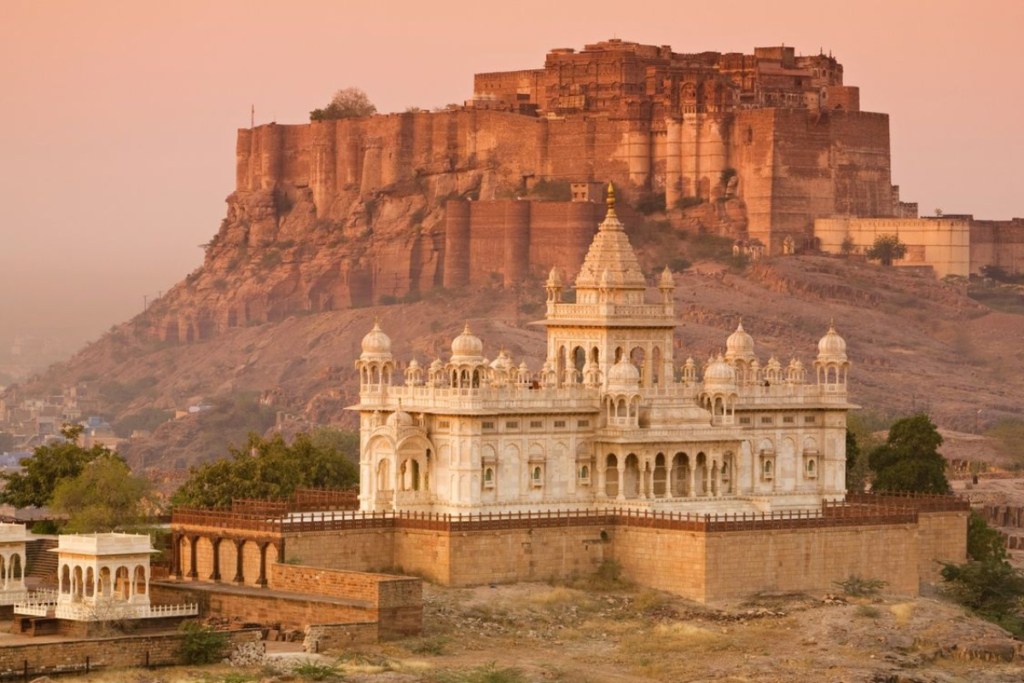
Rajasthan is famous for its royal heritage, magnificent forts, colourful culture, and historic architecture. Among its most impressive landmarks, Mehrangarh Fort stands out for its massive walls, grand gateways, beautiful palaces, and fascinating stories of the past. Located on a rocky hill overlooking the Blue City, the fort offers breathtaking views of Jodhpur’s blue-painted houses and surrounding landscapes.
For travellers interested in history, architecture, and Rajasthani traditions, Mehrangarh Fort Jodhpur is an unforgettable destination. Its historic courtyards, detailed carvings, royal collections, and impressive structures provide a glimpse into the lifestyle of the Rathore rulers. To explore the fort and other nearby attractions comfortably, travellers can consider Luxury Urbania Rental in Jodhpur, especially when travelling with family or in a group. Whether you are planning a family holiday, a cultural trip, or a heritage photography tour, visiting this landmark can make your Jodhpur experience more memorable.
History of Mehrangarh Fort
The History of Mehrangarh Fort is closely connected with the foundation and development of Jodhpur. Rao Jodha, the Rathore ruler who established Jodhpur, began constructing the fort in 1459. He selected a rocky hill known as Bhakurcheeria, which offered a strategic position for defence and a commanding view of the surrounding region.
Over the centuries, successive rulers expanded and modified the fort. Different generations contributed new palaces, courtyards, gates, and decorative features, resulting in a complex that reflects several periods of Rajput history.
The fort played an important role in protecting the kingdom and demonstrating the authority of the Rathore dynasty. Its thick walls and elevated location made it a formidable defensive structure. The entrances were designed to provide controlled access, while the interior spaces accommodated royal activities and administrative functions.
Today, the fort is an important heritage attraction that preserves the history of Marwar. Visitors can explore its historic buildings and museum collections to learn about royal traditions, military equipment, paintings, costumes, and everyday life during earlier periods.
Its historical significance makes Mehrangarh Fort more than a tourist attraction. It represents the architectural achievements, political history, and cultural identity of the Jodhpur region.
Mehrangarh Fort Architecture and Design
The Mehrangarh Fort Architecture combines impressive military construction with the elegance of traditional Rajput design. Built on a high rocky hill, the fort features enormous stone walls, imposing gates, elevated courtyards, and intricately decorated palace interiors.
The exterior appears strong and imposing, reflecting its original defensive purpose. Inside, however, visitors discover a different atmosphere, with delicate stonework, colourful glass windows, carved panels, and beautifully designed royal rooms.
One of the most interesting features is the contrast between the rugged outer structure and the detailed craftsmanship found inside the palaces. This combination demonstrates how Rajput architecture balanced security, comfort, and artistic expression.
The fort contains several notable palaces, including Moti Mahal, Phool Mahal, and Sheesh Mahal. Each has distinctive decorative elements and historical associations.
Moti Mahal, also known as the Pearl Palace, is admired for its elegant interior. Phool Mahal is associated with royal celebrations and elaborate decoration. Sheesh Mahal features decorative mirror work that creates an impressive visual effect.
The fort’s gates are equally significant. Jayapol, one of its best-known entrances, is associated with Maharaja Man Singh’s military victories. The gateways, walls, and courtyards reveal how the complex developed over different historical periods.
For architecture enthusiasts, the fort offers an opportunity to observe traditional craftsmanship, stone construction, decorative arts, and the relationship between buildings and their natural surroundings.
Major Attractions Inside Mehrangarh Fort
There are many fascinating places to explore inside the fort. Visitors should allow enough time to appreciate its architecture, museum exhibits, and historical details rather than rushing through the complex.
1. Moti Mahal
Moti Mahal is one of the most recognised palace interiors within the fort. Its decorative features and royal associations provide insight into the formal spaces used by the rulers of Marwar.
The room’s design demonstrates the importance of visual beauty and craftsmanship in royal architecture. Visitors interested in historic interiors should take time to examine its decorative details.
2. Phool Mahal
Phool Mahal is known for its richly decorated appearance and association with royal entertainment. Its elaborate interior reflects the artistic preferences and luxurious lifestyle of the ruling family.
The palace helps visitors understand how royal spaces were designed for ceremonies, gatherings, and special occasions.
3. Sheesh Mahal
Sheesh Mahal attracts attention for its decorative mirror work and ornamental details. The reflective surfaces create an impressive appearance and highlight the skill of traditional artisans.
It is an interesting stop for travellers who appreciate historic decoration and traditional Indian design.
4. Mehrangarh Museum
The museum preserves a range of objects connected with the royal history of Jodhpur. Depending on the galleries and exhibits open during your visit, you may see historical weapons, paintings, textiles, royal accessories, and other artefacts.
These collections provide context for understanding the fort’s inhabitants, military traditions, and cultural development.
5. Fort Viewpoints
The elevated position of the fort offers panoramic views of Jodhpur. From suitable viewpoints, visitors can admire the Blue City, surrounding rooftops, and the wider landscape.
Morning and late-afternoon light can be particularly appealing for photography, although the best viewing conditions depend on the weather.
Mehrangarh Fort Timings, Entry Fees and Visitor Information
Checking Mehrangarh Fort Timings before travelling can help you organise your sightseeing schedule. Opening hours, museum access, ticket prices, and special arrangements may change, so visitors should confirm the latest information through the fort’s official visitor channels before their trip.
The time needed for a visit depends on your interests. Travellers who want to see the main palace interiors and museum galleries should generally plan for around two to three hours. History enthusiasts and photographers may prefer to spend longer exploring the complex.
Keep the following practical tips in mind:
- Wear comfortable walking shoes because the fort includes slopes, steps, and uneven surfaces.
- Carry drinking water, particularly during warmer months.
- Bring a camera or phone to capture the architecture and city views, while following any photography restrictions.
- Check whether audio guides or guided tours are available to understand the historical significance of the exhibits.
- Confirm current ticket prices, museum hours, and accessibility information before departure.
- Allow extra time during weekends, holidays, and peak tourist seasons.
The weather can become hot in Jodhpur, especially during summer. Starting your sightseeing earlier in the day can make walking around the fort more comfortable.
Places to Visit in Jodhpur Near Mehrangarh Fort
Exploring other Places to Visit in Jodhpur can help you experience more of the city’s heritage, markets, and local culture. Several attractions can be included in the same sightseeing itinerary.
1. Jaswant Thada
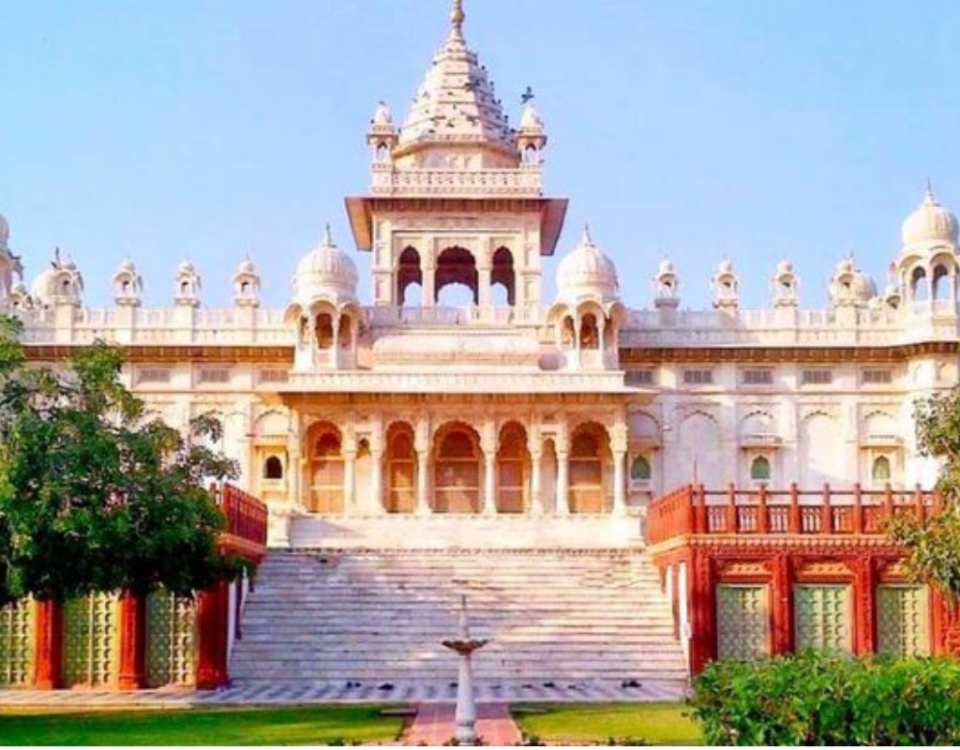
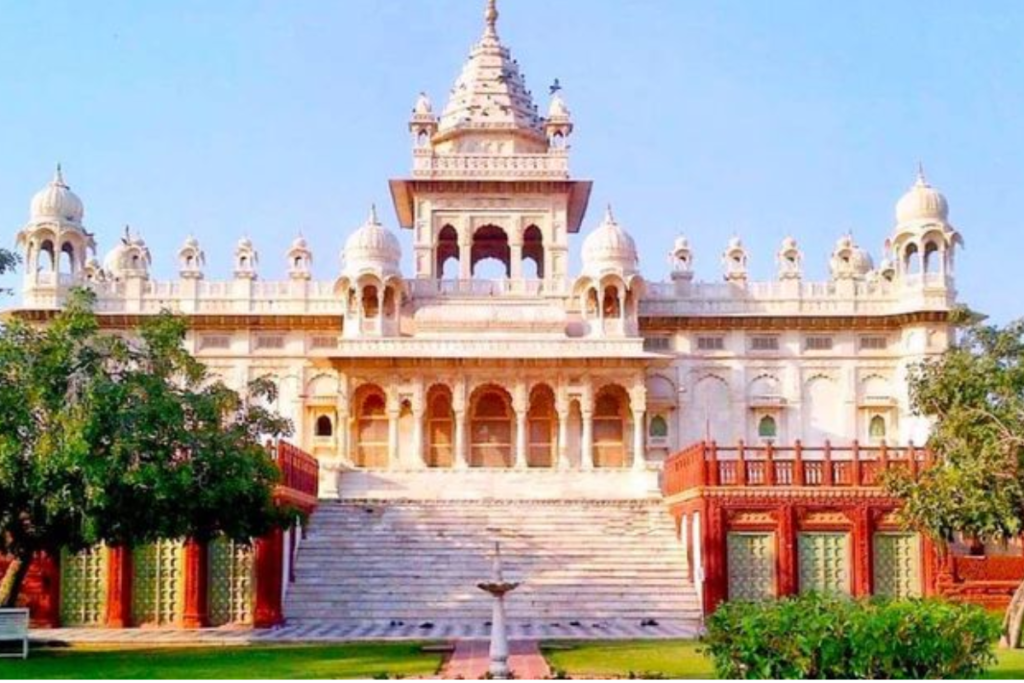
Jaswant Thada is a beautiful white marble memorial built in memory of Maharaja Jaswant Singh II. Its peaceful surroundings, delicate marble work, and landscaped setting make it an appealing stop for visitors interested in architecture and history.
It is a convenient attraction to combine with a visit to Mehrangarh Fort.
2. Umaid Bhawan Palace
Umaid Bhawan Palace is one of Jodhpur’s most prominent architectural landmarks. The palace is associated with the city’s royal heritage and is known for its grand scale and distinctive design.
Some areas serve as a museum, while other parts operate as a hotel and royal residence. Visitors should check public access arrangements before planning a visit.
3. Clock Tower and Sardar Market
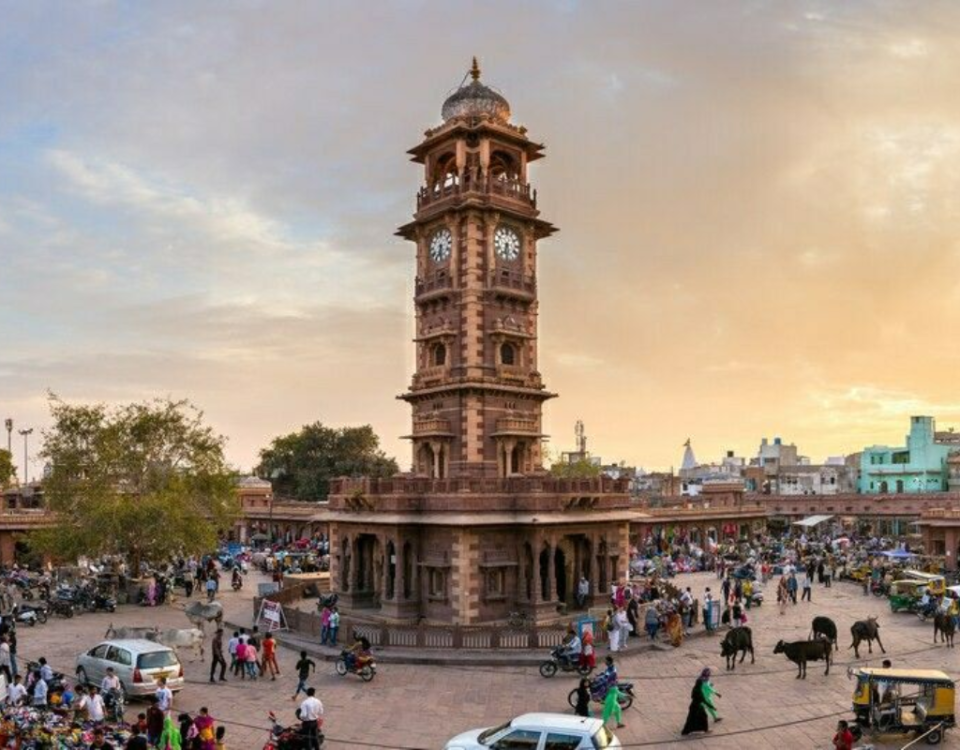
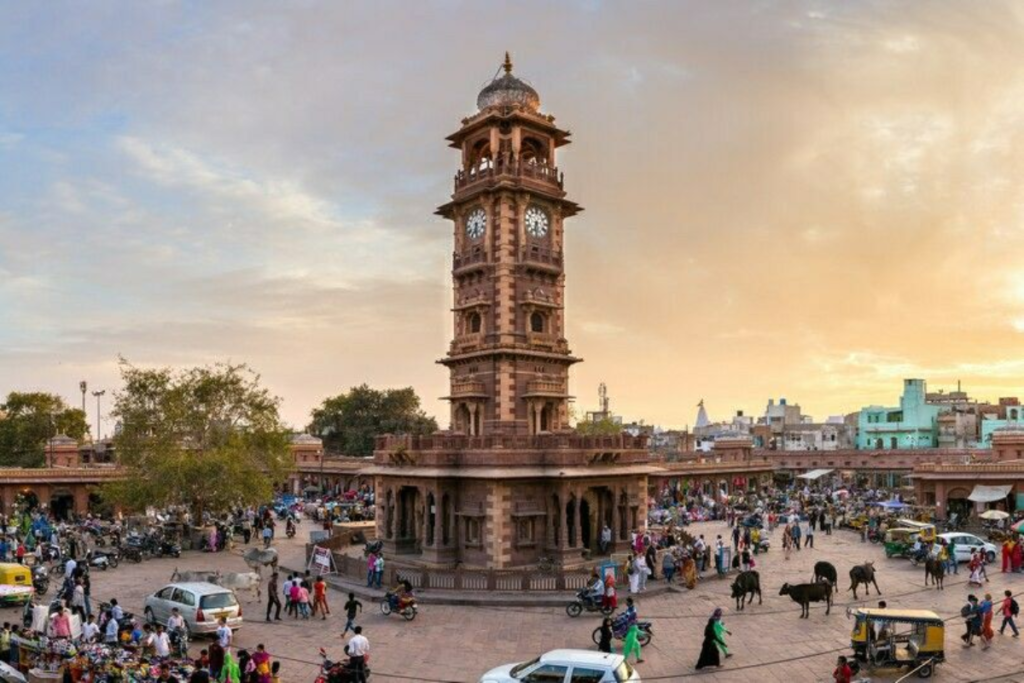
The Clock Tower and nearby Sardar Market offer a different experience from the city’s palaces and forts. The area is known for its lively market atmosphere, local products, textiles, handicrafts, and traditional shopping.
Visitors can explore the market to experience everyday life and look for souvenirs inspired by Rajasthani culture.
4. Toorji Ka Jhalra
Toorji Ka Jhalra is a historic stepwell known for its geometric steps and traditional water architecture. It provides an interesting example of how communities managed water in the region.
The surrounding lanes also offer opportunities to explore Jodhpur’s historic urban landscape.
5. Blue City Streets
The old city is famous for its blue-painted houses, narrow lanes, traditional doors, and distinctive neighbourhoods. Walking through suitable public areas offers opportunities to observe local architecture and photograph the city’s character.
Visitors should respect residents’ privacy and avoid entering private properties without permission.
Best Time to Visit Mehrangarh Fort
The best time to explore the fort is generally during the cooler months, from October to March. Temperatures are often more comfortable for walking and sightseeing during this period.
Winter mornings and afternoons can provide pleasant conditions for exploring the palace interiors and enjoying the views. However, weekends and holiday periods may attract more visitors, so arriving earlier can help you make better use of your time.
Summer in Jodhpur can be extremely hot. If you visit between April and June, plan carefully, carry water, and avoid spending long periods walking in direct sunlight.
The monsoon season may bring occasional rainfall and changes in humidity. Check the local forecast before travelling, especially if you intend to explore multiple outdoor attractions.
Travel Tips for a Comfortable Visit
Planning your transport and sightseeing route in advance can make your trip easier. Jodhpur is accessible by road, rail, and air, and local taxis and other transport options can help you reach the fort and nearby attractions.
If you are visiting with family or travelling with older adults, allow time for walking breaks and check accessibility arrangements in advance. Comfortable clothing, sun protection, and suitable footwear can improve the experience.
Consider exploring the fort first and then visiting nearby heritage attractions according to your available time. If you enjoy photography, reserve additional time for the viewpoints and old-city streets.
You can also learn more about the city’s food culture by trying regional Rajasthani dishes at reputable local restaurants. Combining historic sightseeing with local cuisine gives you a broader understanding of Jodhpur’s cultural identity.
Most importantly, follow site rules, respect heritage structures, and avoid touching fragile exhibits or carved surfaces. Responsible tourism helps preserve these historic places for future generations.
Conclusion
Mehrangarh Fort offers a remarkable combination of history, architecture, royal collections, and scenic views. From its foundation under Rao Jodha to the palace interiors developed by later rulers, the fort tells the story of Jodhpur’s heritage and the Rathore dynasty.
Exploring the museum, historic gates, decorated palaces, and panoramic viewpoints allows visitors to appreciate the craftsmanship and cultural traditions of Rajasthan. Nearby attractions such as Jaswant Thada, Umaid Bhawan Palace, and the Blue City streets can make the trip even more rewarding. For families and groups planning a comfortable sightseeing trip, Luxury Urbania Hire In Jodhpur can be a convenient option for travelling between these popular attractions.
Whether you are visiting for the first time or returning to discover more of the region, Mehrangarh Fort Jodhpur deserves a place on your Rajasthan travel itinerary. With a little planning and enough time to explore, you can enjoy a memorable journey through one of India’s most impressive historic landmarks.